
Organizing a Tween's Room Without Expecting Perfection

There's a moment every parent hits eventually: you spend hours helping your tween clean and organize their room, it looks amazing for approximately 17 minutes… and then somehow there's a hoodie on the floor, cups on the nightstand, and an avalanche of random "important" objects reappearing on every surface.
And honestly? That's normal.
Organizing a tween's room is not about creating a Pinterest-perfect space that stays untouched forever. It's about teaching skills. Life skills. The kind they'll use long after they leave home.
Because the real goal isn't perfection.
The goal is building awareness, habits, and systems.
A Tween's Brain Is Still Learning Systems
Tweens are in this interesting in-between phase. They want independence, but they often don't yet have the executive functioning skills to fully maintain it consistently.
That means:
- They forget where things belong
- They get distracted mid-cleanup
- They shove things into drawers to "deal with later"
- They struggle to categorize belongings naturally
- They don't always notice clutter building up
This doesn't mean they're lazy or irresponsible. It means they're learning.
When you organize with them, you're helping create the foundation for:
- Knowing what they own
- Understanding categories
- Creating routines
- Learning where things belong
- Developing the habit of resetting a space
These are lifelong skills that go far beyond a bedroom.
The Goal Is "Functional," Not "Perfect"
A successful tween room is one where:
- Clothes are mostly in the right places
- Homework can be found
- Favorite items are accessible
- Trash gets thrown away
- The floor can be seen
- They can reset the room without needing a parent to do it for them
That's success.
Not color-coded bins no one uses.
Not museum-level cleanliness.
Not expecting a 12-year-old to maintain an adult standard 24/7.
The more realistic the system, the more likely it is to actually stick.
Categories Are Everything
One of the most valuable things you can teach a tween is simple categorization.
Instead of "clean your room," you help them understand:
- School supplies go here
- Electronics live here
- Dirty clothes go here
- Keepsakes go here
- Sports equipment goes here
That process teaches them how to mentally organize their belongings instead of just moving clutter around.
Over time, they begin to recognize: "I already have three notebooks." "I can't find my charger because I never put it back." "I actually wear these clothes and never touch these."
That awareness becomes the beginning of intentional living.

Visibility Helps Responsibility
Tweens tend to do better with systems that are easy to maintain.
That often means:
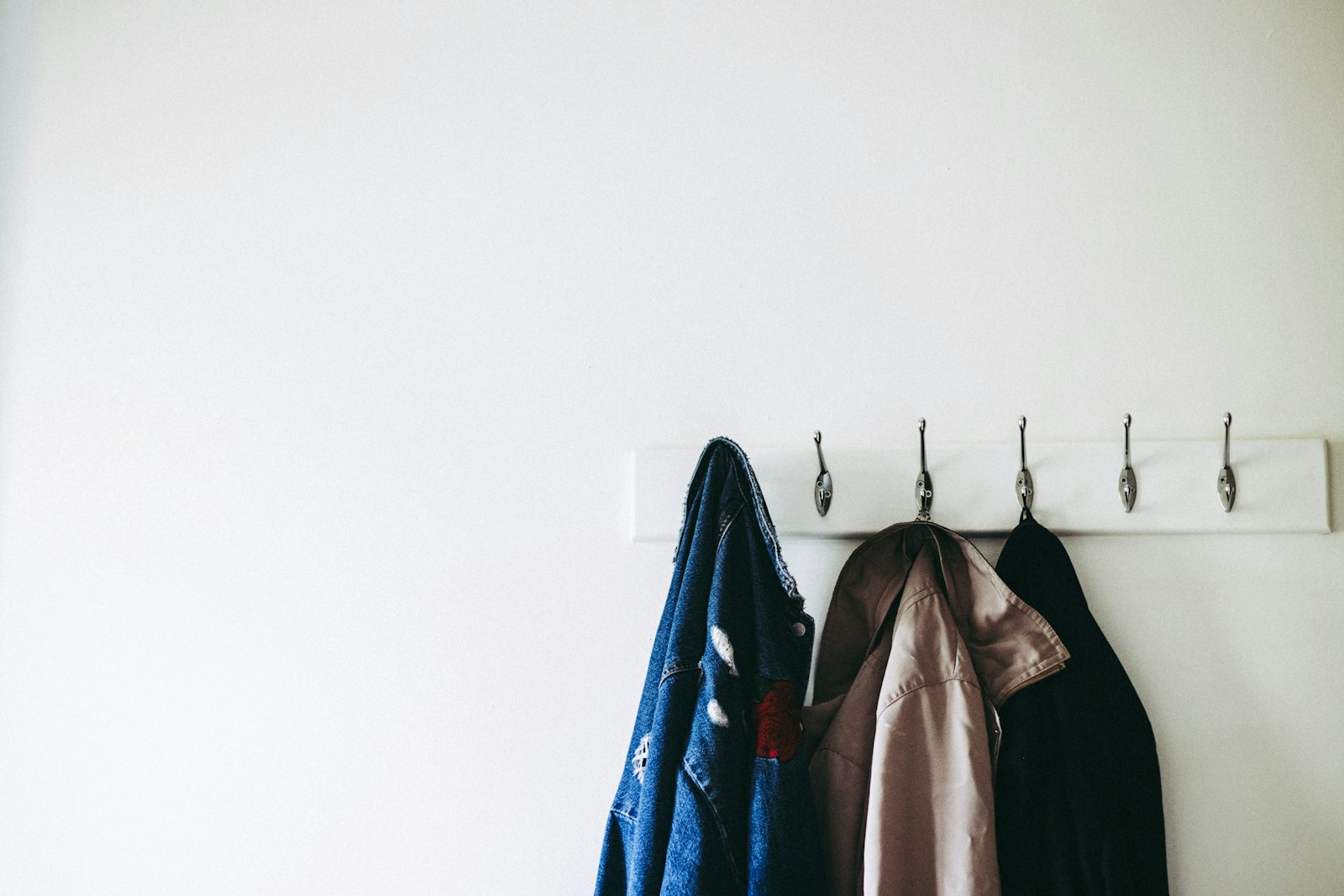
- Open bins instead of complicated containers
- Hooks instead of perfectly folded items
- Clear drawers
- Simple labels
- Easy-access laundry baskets
- Fewer items overall
If putting something away feels complicated, it usually ends up on the floor.
Good organizing for tweens removes friction. It makes the right choice easier.
Expect Maintenance, Not Mastery
Teaching organization is a process, not a one-time makeover.
There will be resets. There will be messy weeks. There will be times you wonder why you bothered.
But every cleanup session is reinforcing something important:
- How to make decisions
- How to reset a space
- How to manage belongings
- How to create order after chaos
That repetition matters.
You're not just organizing a room.
You're teaching someone how to care for their environment and themselves.
The Bigger Picture
One day, your tween will have:
- A dorm room
- An apartment
- A shared living space
- A home of their own
And even if they don't remember every label maker or storage bin, they'll remember the systems.
They'll know that everything needs a home. They'll know how to reset a messy space. They'll know how to find what they own instead of constantly rebuying things. They'll understand that organization is less about perfection and more about functionality.
That's the real win.
Because an organized tween room isn't about creating a perfect child.
It's about raising a capable adult.


