
The Impact Clutter Has on the Mental Load
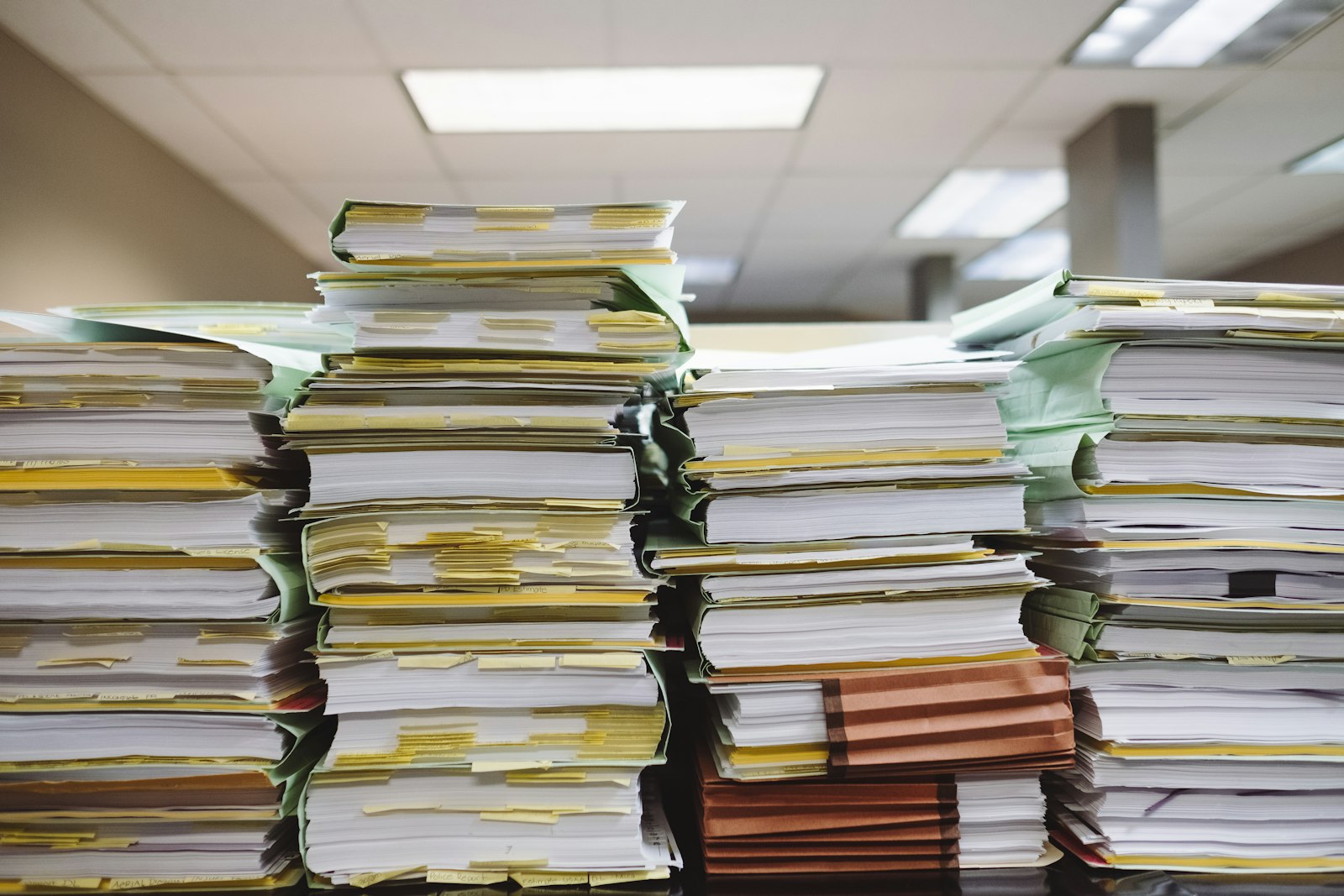
Most people think clutter is just a physical issue.
A messy closet.
An overflowing garage.
A countertop covered in papers, backpacks, and unopened mail.
But what many people don't realize is that clutter doesn't just take up physical space. It takes up mental space too.
Every unfinished pile becomes a quiet reminder in the back of your mind:
"I need to deal with that."
"I should organize this."
"Why can't I get this under control?"
"Where did I put that?"
Even when you're not actively thinking about it, your brain is still processing it.

The Hidden Mental Weight of Clutter
When your home feels chaotic, your brain rarely gets a chance to fully relax.
You may notice it showing up as:
- decision fatigue
- overwhelm
- procrastination
- irritability
- difficulty focusing
- feeling mentally "stuck"
- constantly feeling behind
For many people, disorganization creates a low-level stress response that never fully turns off.
You're not just managing your schedule, your work, your kids, and your responsibilities. You're also mentally managing your environment at all times.
Where are the permission slips?
Why is this closet impossible to close?
Did we already buy batteries?
Where did that important paper go?
Those tiny moments add up all day long.
Organizing Is About More Than Aesthetics
One of the biggest misconceptions about professional organizing is that it's about creating picture-perfect spaces.
Yes, beautiful systems are nice. But the real goal is functionality.
A well-organized home reduces friction in your everyday life.
It allows things to:
- flow more smoothly
- take less effort
- require less mental energy
- feel easier to maintain
The goal is not perfection.
The goal is creating a home that supports you instead of overwhelming you.
What Happens When Systems Actually Work
When your home functions better, everyday life often starts feeling lighter.
Clients frequently tell me they notice:
- calmer mornings
- less arguing over lost items
- easier routines
- more mental clarity
- reduced stress
- less shame around their home
- more confidence inviting people over
- the ability to actually relax in their space
Because when everything feels hard at home, life feels heavier.
But when your environment works with you instead of against you, it frees up energy for the things that actually matter.
You Don't Have To Do It Alone
Many people wait years before asking for help because they think: "I should be able to do this myself."
But organizing is not a moral achievement. It's a skill set, a system, and often an outside perspective.
Sometimes what people truly need is:
- structure
- accountability
- guidance
- support without judgment
Working with a professional organizer is not about being "bad" at keeping a home.
It's about reducing the constant mental load you've been carrying.
And often, the relief people feel after getting organized has very little to do with the bins.
It's about finally feeling like they can breathe again.


