
You're Still Owning It: Why Finding the "Perfect Home" for Your Stuff Is Keeping You Stuck

One of the biggest myths I hear from clients is:
"I can't get rid of it until I find the perfect person to give it to."
Or:
"I just need to find the right charity."
Or my personal favorite:
"My friend's daughter might want this, but I haven't asked her yet."
And then that item sits.
For six months.
Or six years.
Here's the uncomfortable truth:
While you're trying to find the perfect home for an item, you're still the one responsible for it.
You're still storing it.
You're still moving it from shelf to shelf.
You're still mentally tracking it.
You're still paying rent or mortgage on the square footage it's occupying.
You're still carrying the guilt of "I need to do something with that."
The object may be emotionally halfway out the door, but physically and mentally, it's still very much yours.
Good Intentions Can Become Clutter
Many of us were raised to avoid waste. We want things to be appreciated. We want our belongings to have another life.
Those are wonderful values.
But sometimes those values turn into unpaid jobs.
Suddenly, you're researching seventeen charities that accept VHS tapes.
You're texting four friends to see if anyone needs a fondue set.
You're saving a box of baby clothes because your cousin's neighbor's niece is expecting.
Meanwhile, your garage looks like an unofficial distribution center.

Your Home Is Not a Waiting Room
I tell clients this all the time:
Your home is not obligated to act as temporary storage for everyone else's potential interest.
If someone wants the item, wonderful.
If a friend responds immediately, fantastic.
But if weeks go by and you're chasing people down, taking photos, sending reminders, and coordinating pickups, you've unintentionally become the manager of the item.
And that management costs energy.
Decision Fatigue Is Expensive
Clutter isn't just physical.
It's emotional and mental.
Every unfinished decision sits in the background, quietly asking:
- "What should I do with this?"
- "Who would appreciate it?"
- "Should I save it?"
- "Did I text Sarah back?"
- "I should really list that online."
Multiply that by fifty items, and suddenly you're carrying hundreds of tiny open tabs in your brain.
No wonder you feel drained.
Good Enough Is Good Enough
Not every donation needs to feel like a Hallmark movie.
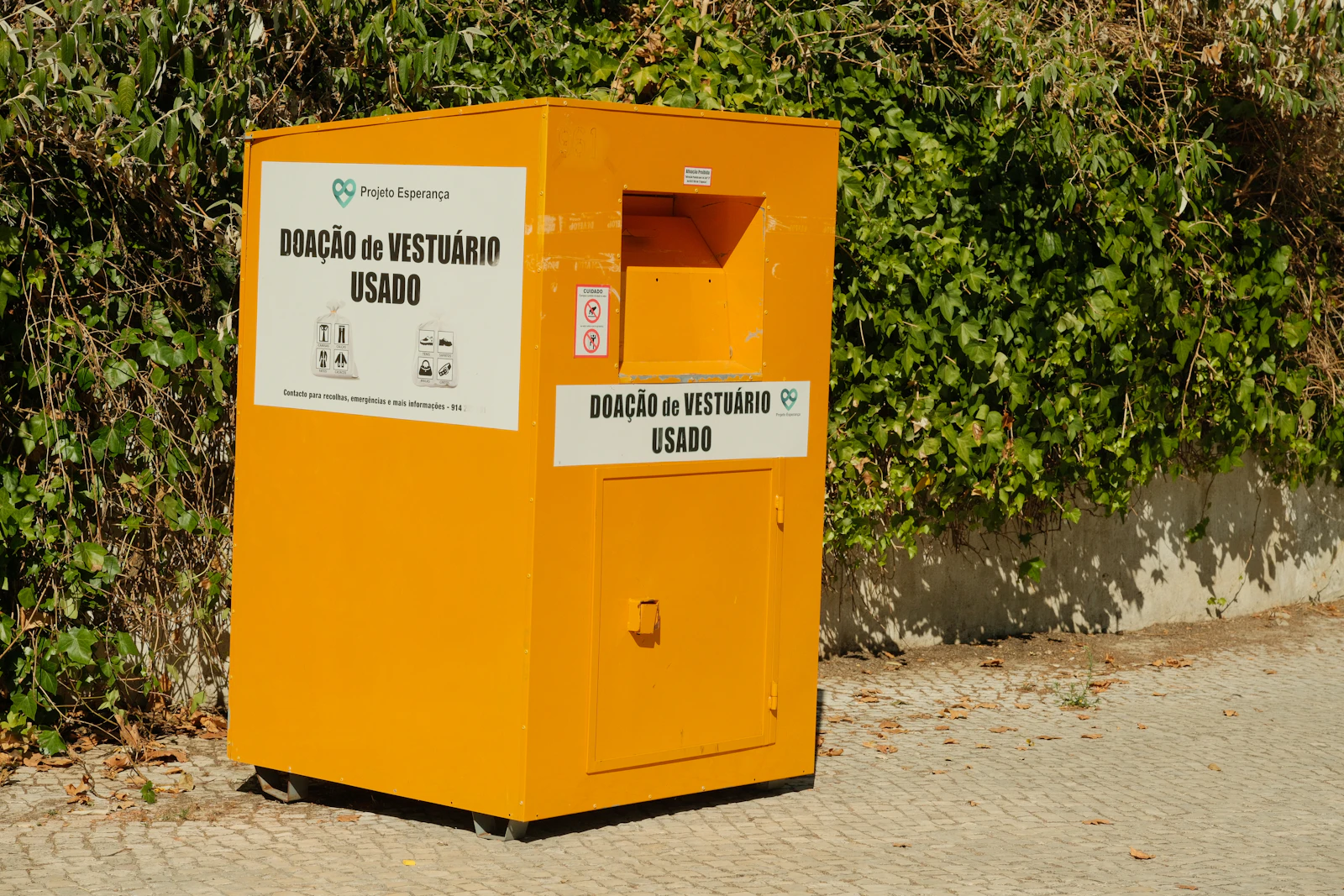
Sometimes the "perfect home" is the local donation center.
Sometimes it's a Buy Nothing group.
Sometimes it's putting it on the curb.
Sometimes it's accepting that you already received the value from the item when you used it.
Its purpose was to serve you—not become your lifelong responsibility.
Give Yourself a Deadline
If you truly want to offer something to a friend or family member, wonderful.
But set a boundary.
"Hey, I have this lamp. If you'd like it, let me know by Friday. Otherwise, I'm donating it."
Simple.
No guilt.
No months-long negotiations.
No becoming the unpaid storage unit for other people's maybes.
Freedom Is Worth More Than Perfect
The goal isn't to ensure every object reaches its soul mate.
The goal is to reclaim your time, your space, and your peace.
Because searching endlessly for the perfect place for something is still a form of ownership.
And ownership—physical, emotional, and mental—is exhausting.
Sometimes the most generous thing you can do for yourself is simply let go.
And trust that your home deserves to hold your life—not your unfinished to-do list.
This topic resonates deeply with clients because so many people confuse being responsible with being indefinitely responsible. The two are not the same.


